Wellness Hospitality in Tenerife: Inside Villa Naokô and a Conversation with Anthony Picq, Founder of EcoHotel El Agua
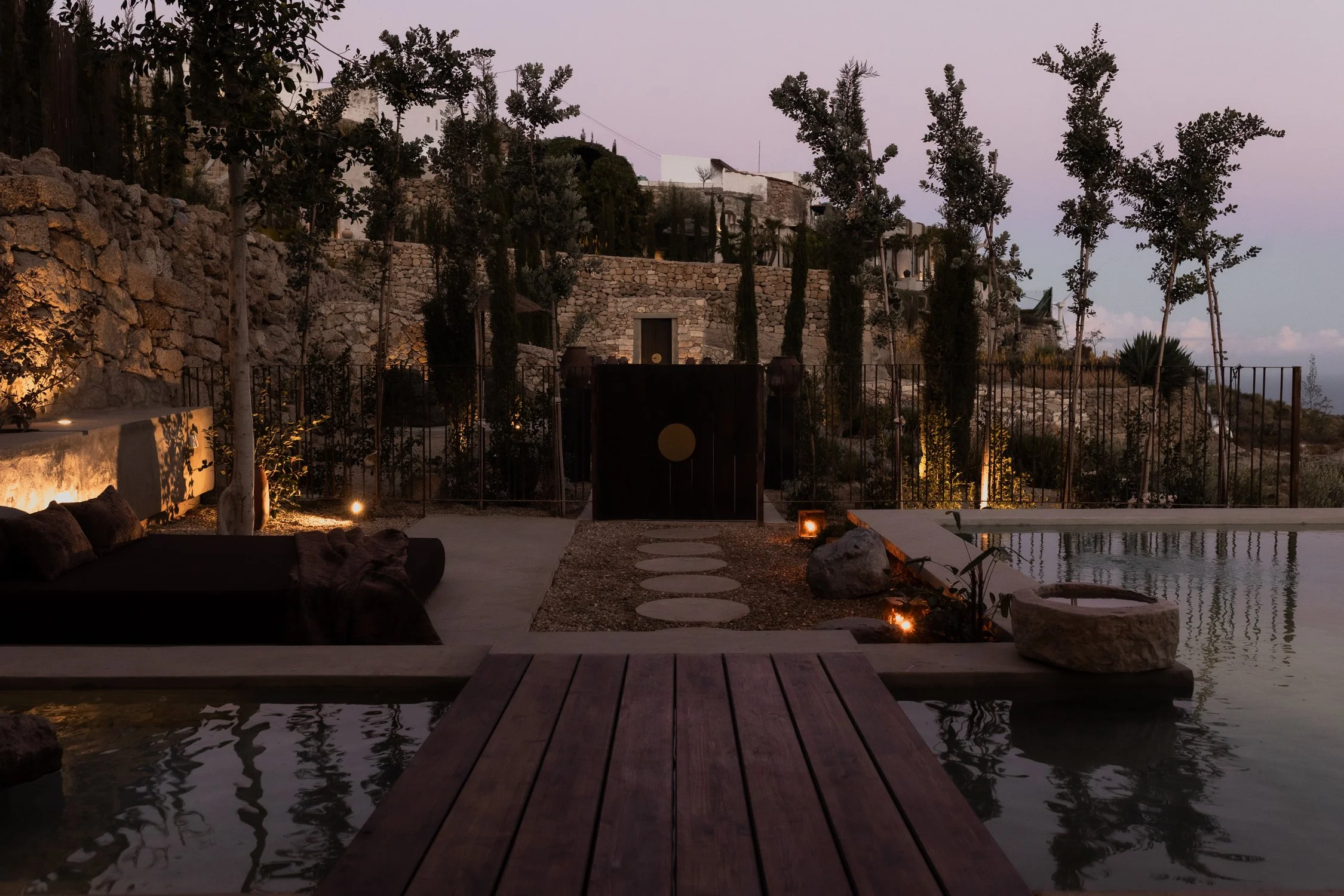
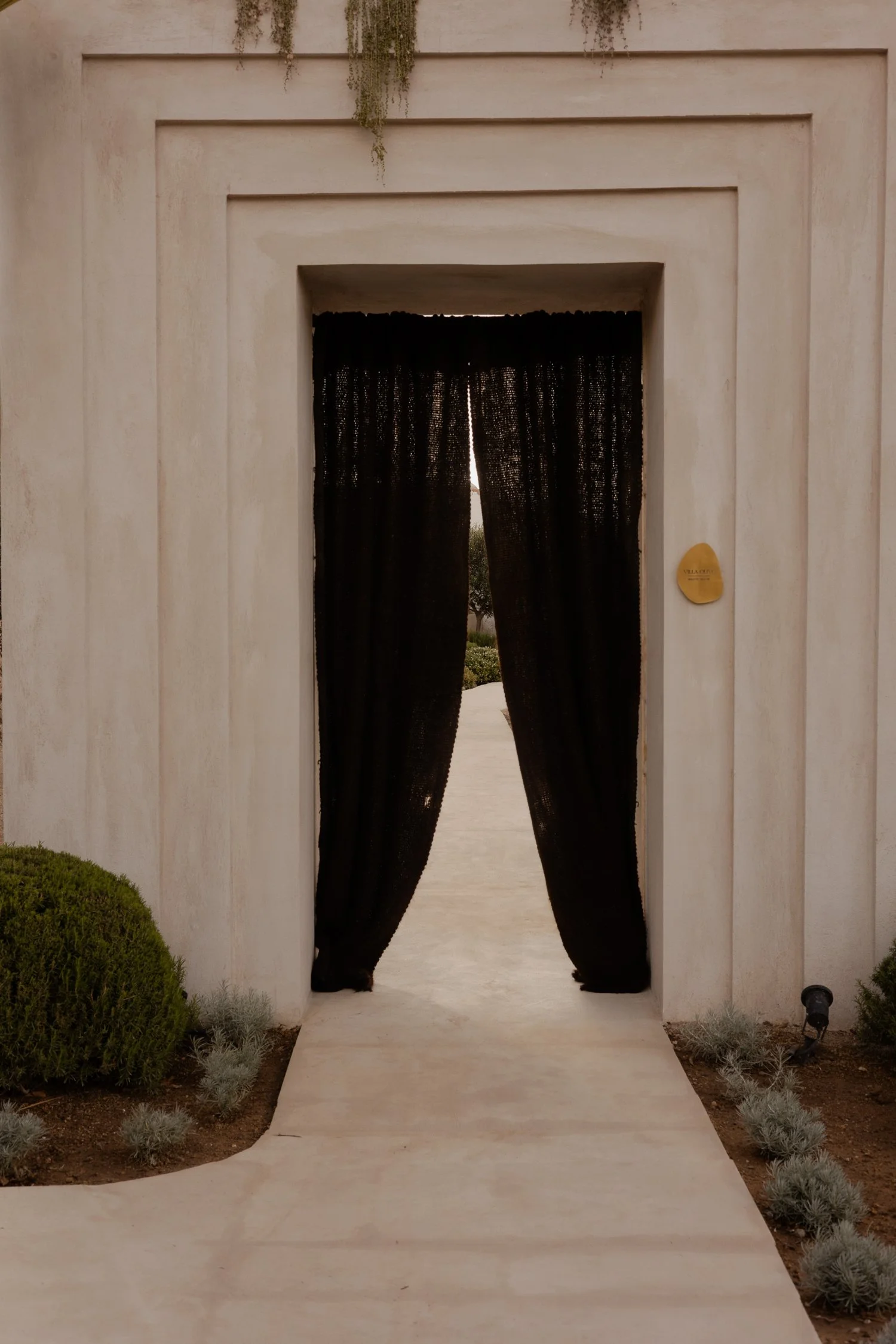
Villa Naokô is the latest addition to EcoHotel El Agua, a wellness retreat in Tenerife, and the first impression comes before reaching the villa itself. A large wooden door opens onto a long path leading directly inward, with no reception point or staged arrival, just a direct transition into the space.




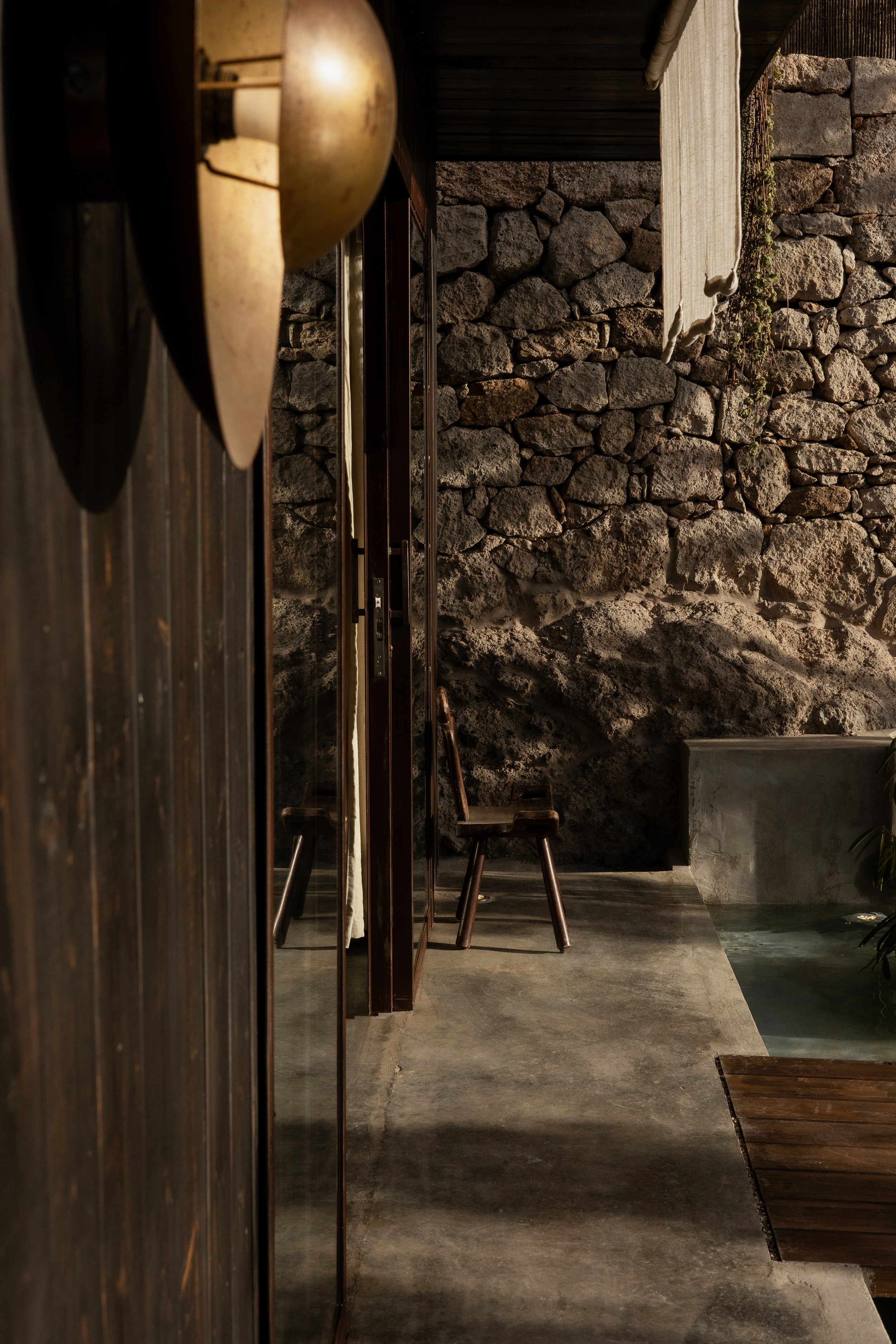
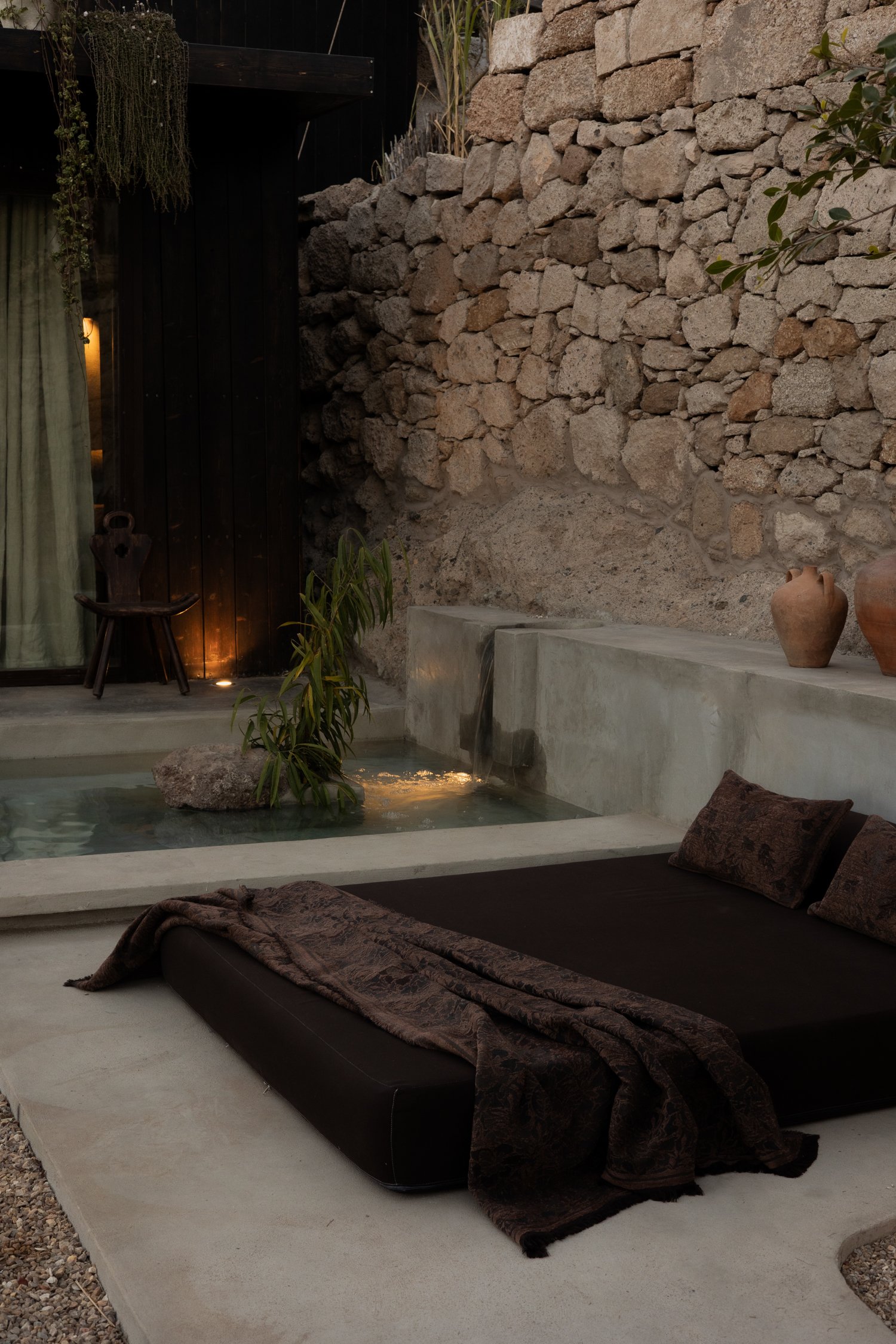


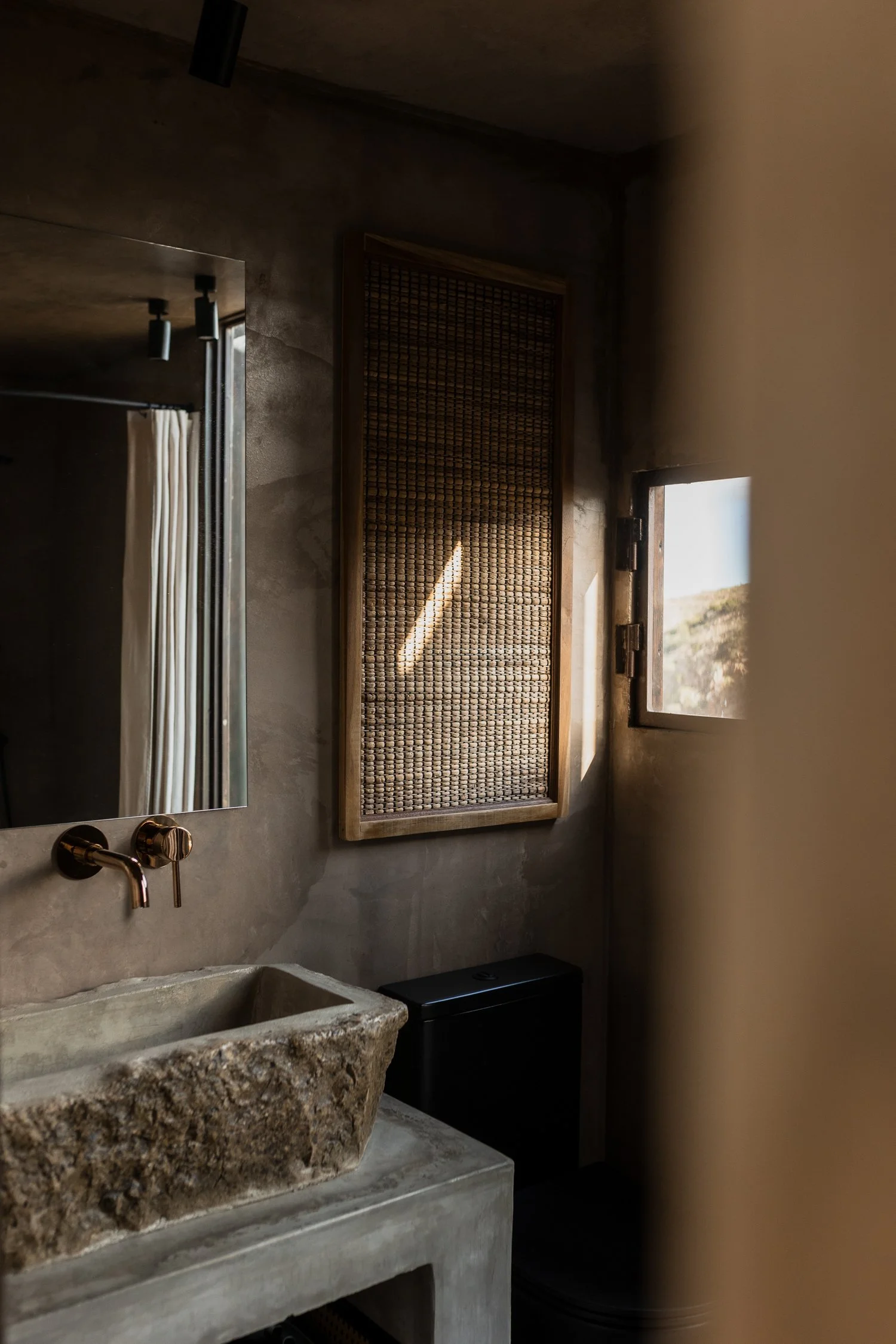

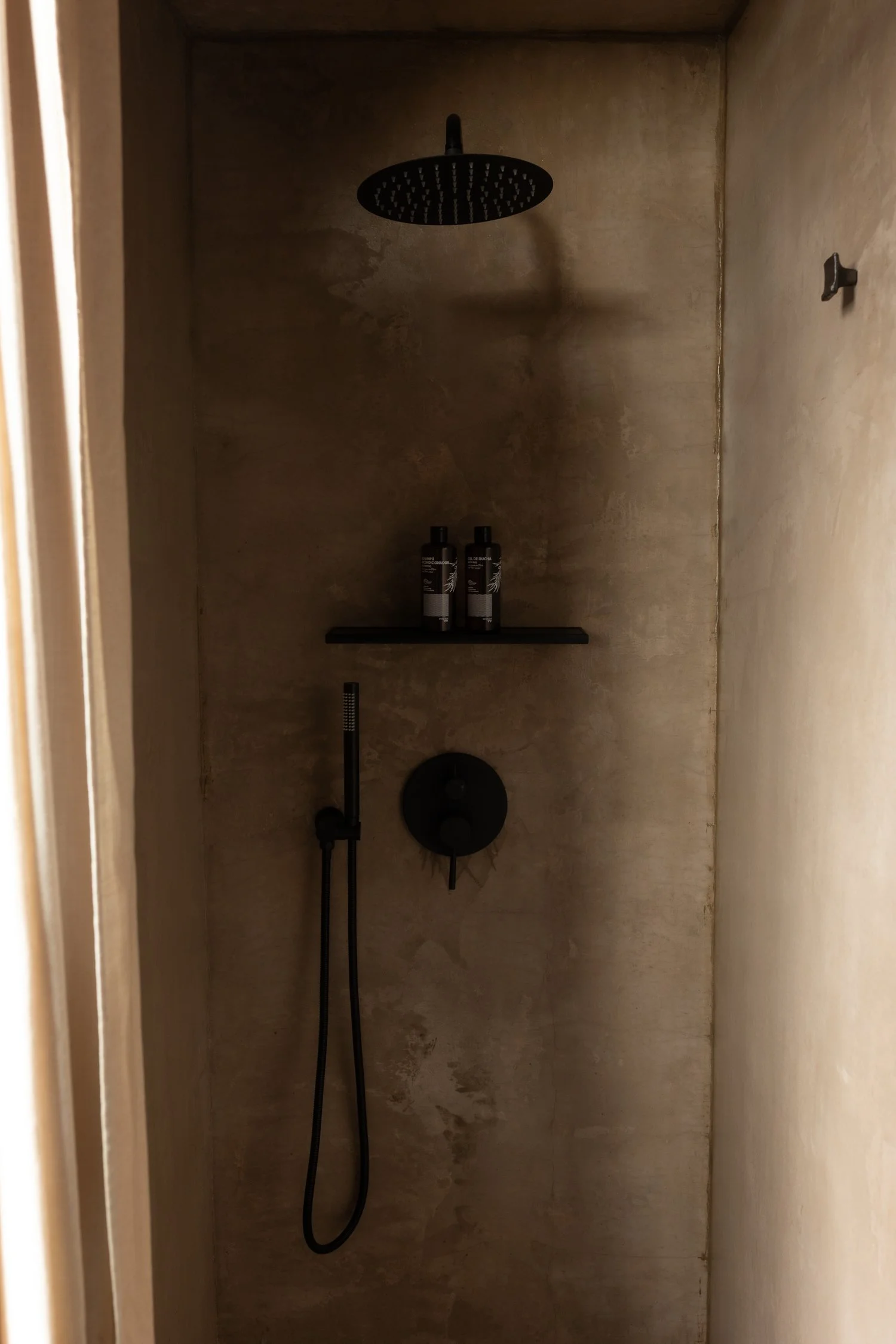

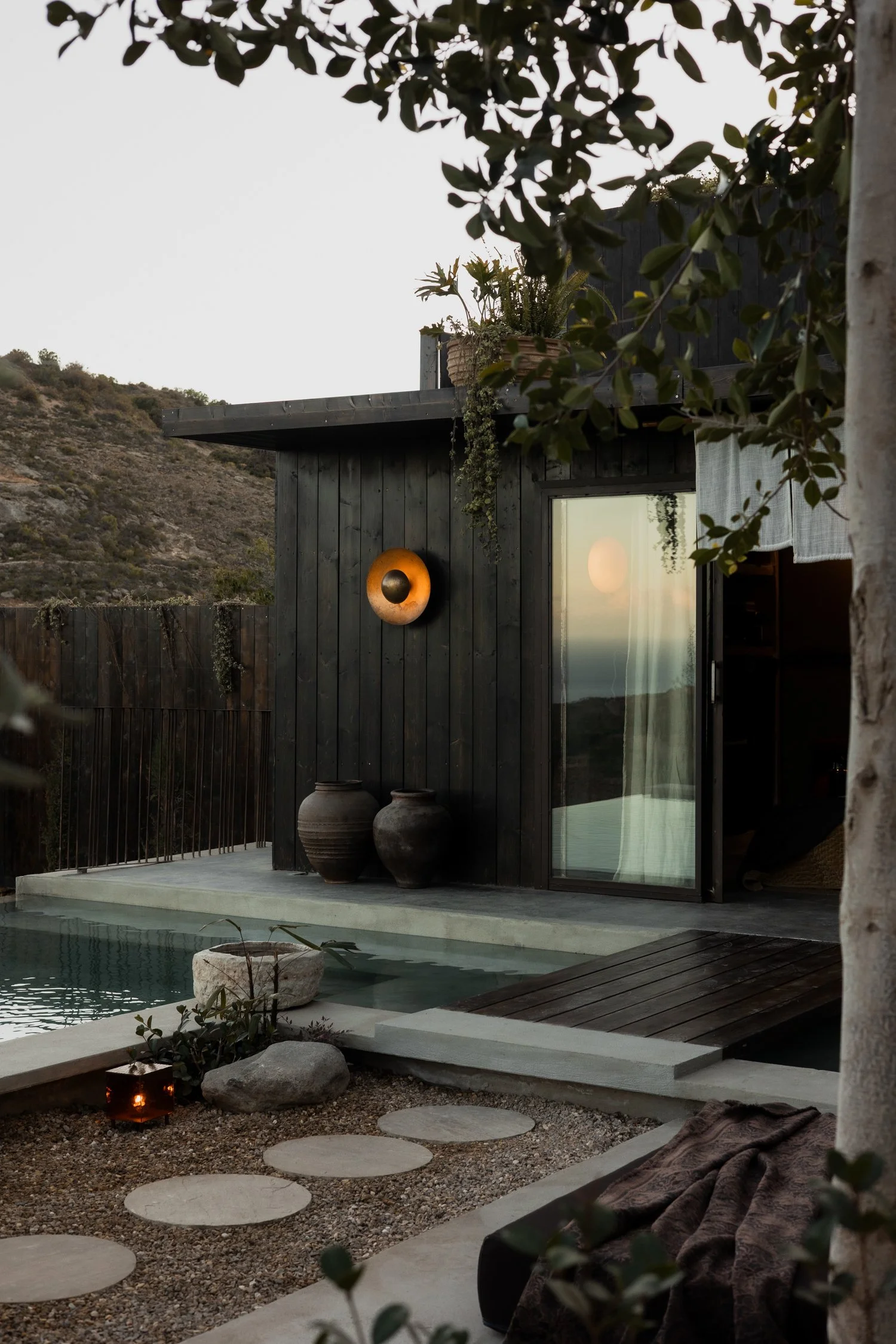


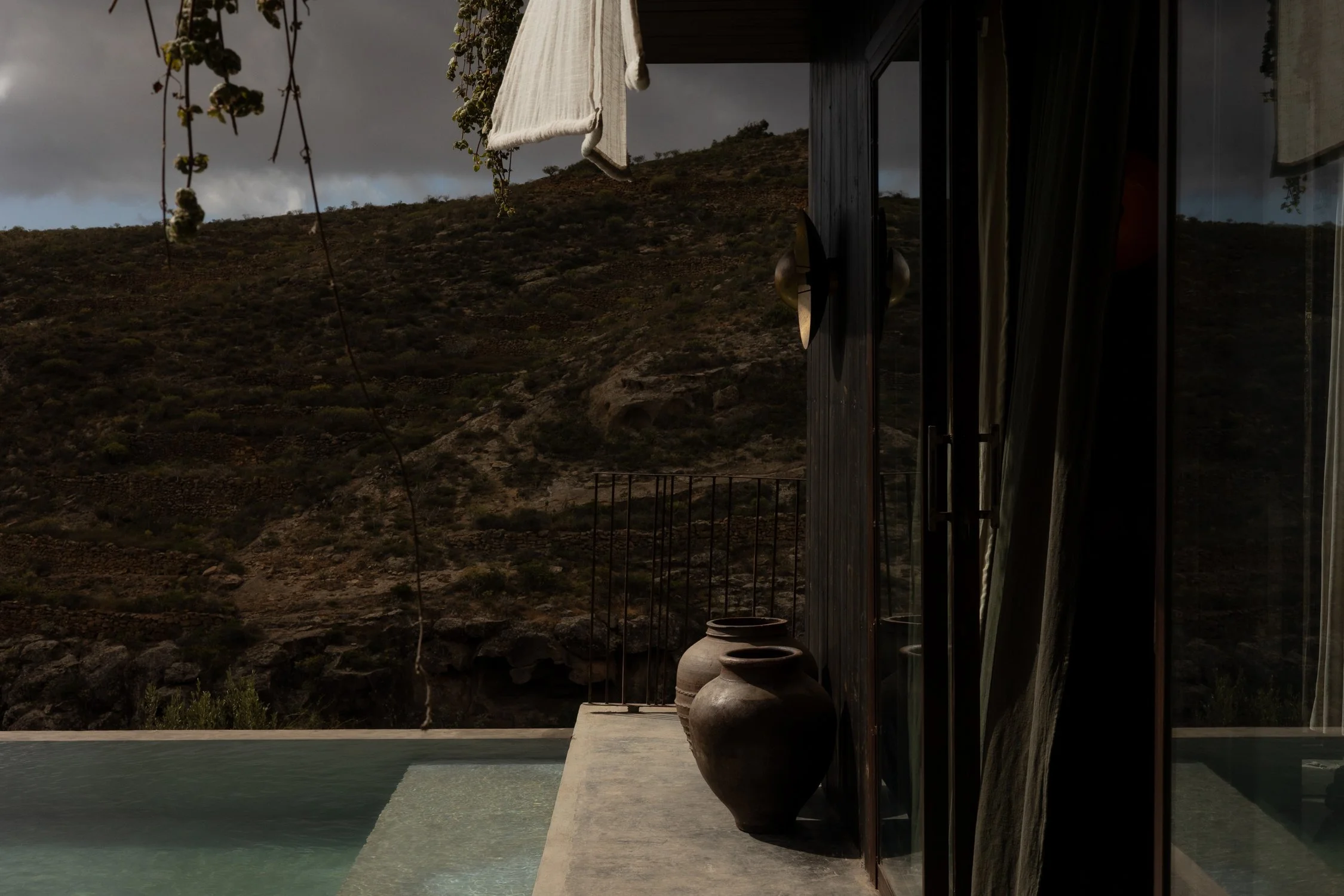



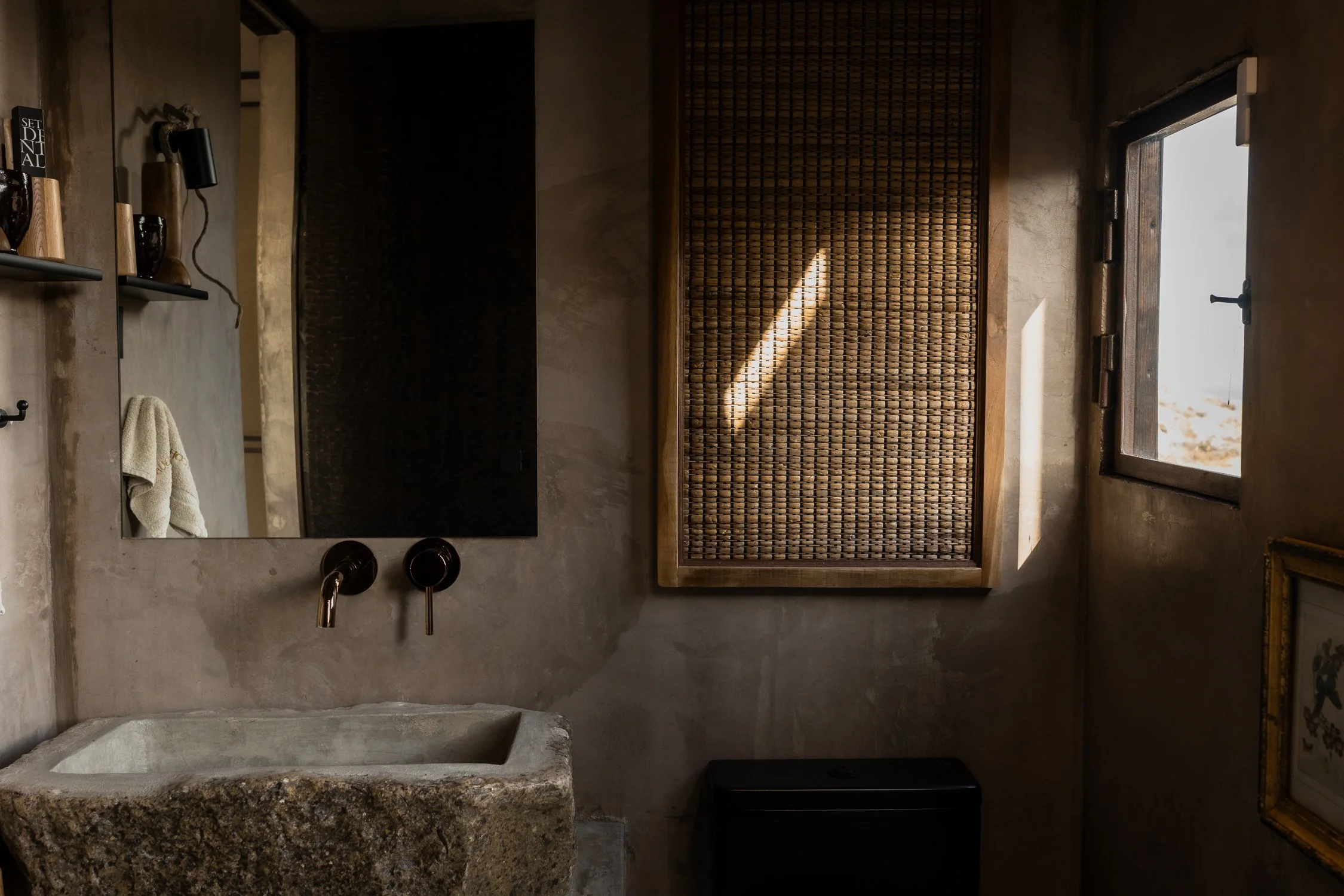
Inside Villa Naokô at EcoHotel El Agua, the reference to Japanese design is expressed through layout rather than decoration. The bedroom sits slightly lower than the rest of the space, subtly changing how the room is used. From the bed, large windows dominate the view and open onto water, plants and shifting natural light throughout the day. The room is compact, but the proportions avoid any sense of restriction. A narrow sofa is built into one side of the structure, while the bathroom sits to the right of the bed in darker tones, partially separated from the sleeping area. Everything is integrated into the architecture rather than added as separate elements.
Compared to the other villas at EcoHotel El Agua, which are generally more spacious and open, Villa Naokô feels more contained. Not smaller in experience, but more defined in its boundaries, creating a space that holds its own atmosphere within the wider wellness retreat.
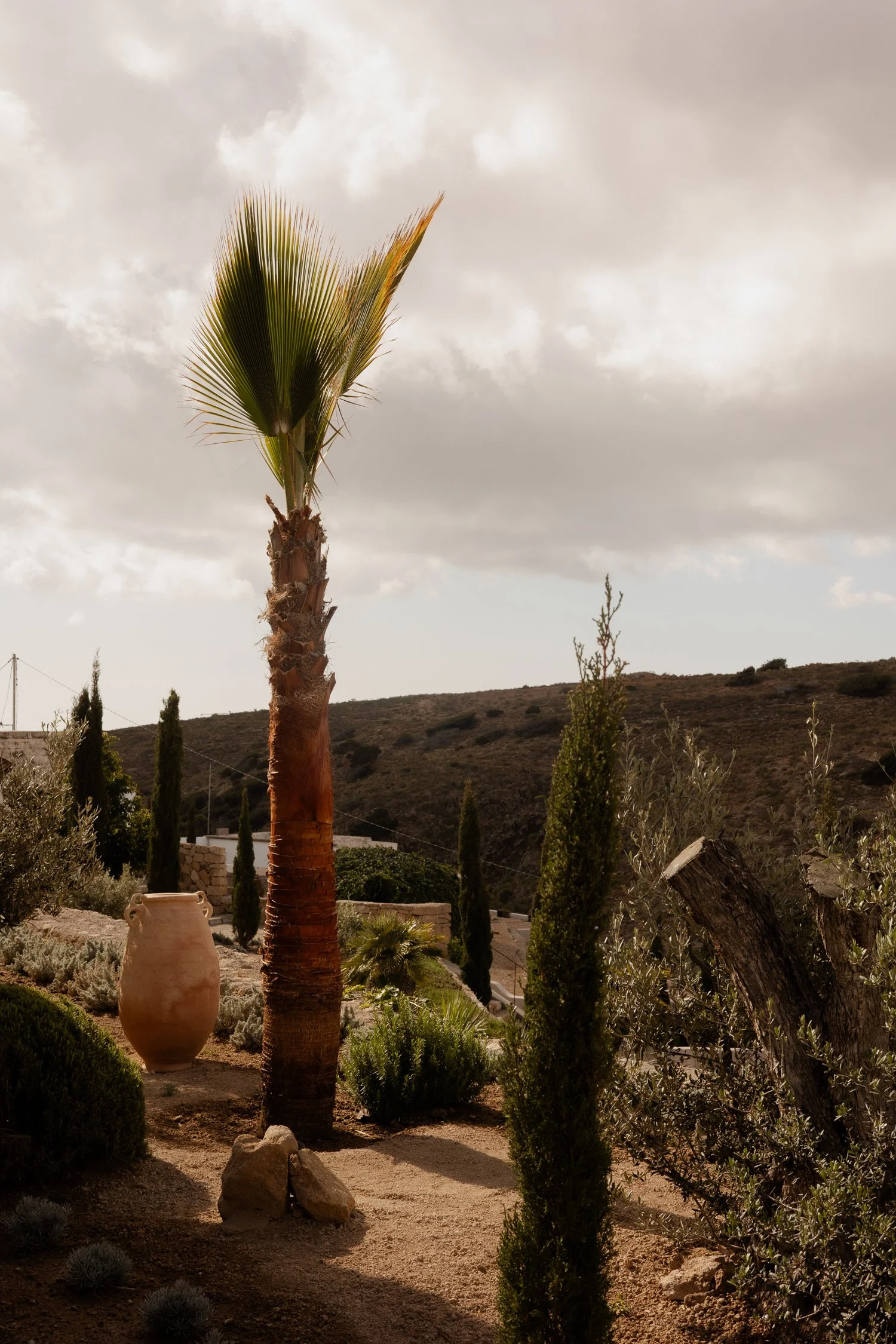
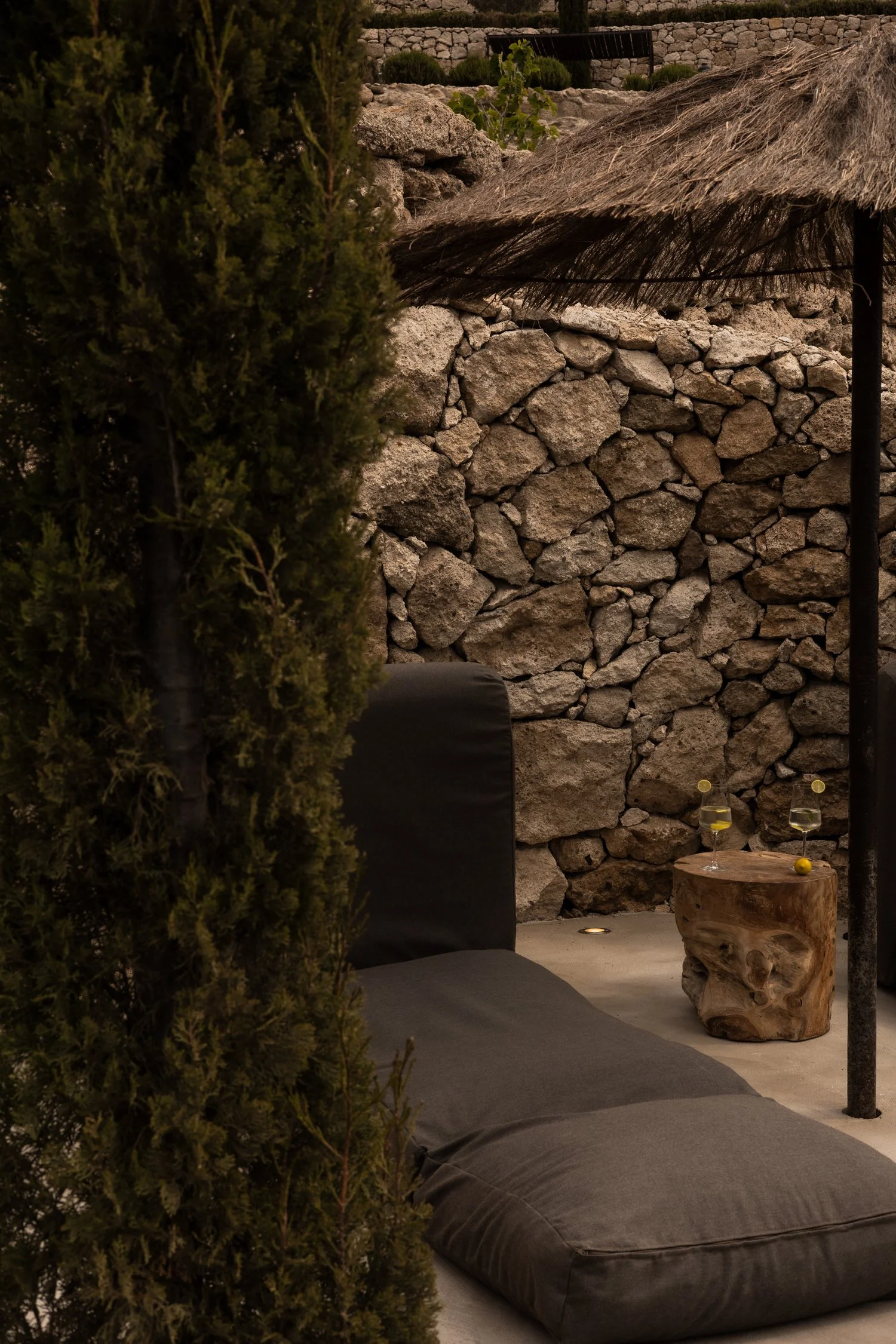
Seen within the context of EcoHotel El Agua, Villa Naokô extends an existing direction rather than introducing a new one. The use of natural materials, restrained composition and attention to proportion runs across the entire property. Villa Naoko expresses this language in a more condensed form.
That continuity is also reflected in the thinking of founder Anthony Picq, whose approach to hospitality sits outside conventional tourism frameworks. Rather than positioning EcoHotel El Agua through travel categories, he describes it through health, prevention and daily habits.


Interview with Anthony Picq
EcoHotel El Agua is often described as something more than a hotel. How would you define it?
Anthony Picq: Yes, I agree. The hotel feels quite different. Even once completed, we will only accommodate a limited number of guests. What we offer here is far from industrial tourism. It's tailored to each guest.
We try to understand who is coming before they arrive, because many of them lead very busy lives. The idea is not to apply a standard service, but to adapt to each person.
The foundation of the project comes from health rather than hospitality in the traditional sense. It is inspired by older principles of prevention and how the body can be supported through simple, consistent practices rather than corrective approaches.
One of the most known experiences here is the Wim Hof method. How does it fit into the stay?
Anthony Picq: The technique combines breathing exercises with cold-water immersion. The breathing helps bring awareness to the body, and the cold creates an immediate physical response.
The cold immediately calms the mind.
For most people, what they remember is not the explanation, but the moment of entering the water. There is always hesitation before, and then a very fast adjustment once they are in it.
Is there something simpler you recommend to guests?
Anthony Picq: Walking barefoot.
It is something very simple, but something we have lost in modern life. It helps people reconnect with their environment in a very direct way. I don’t present it as a method, just as something to try.


How is food approached at EcoHotel El Agua?
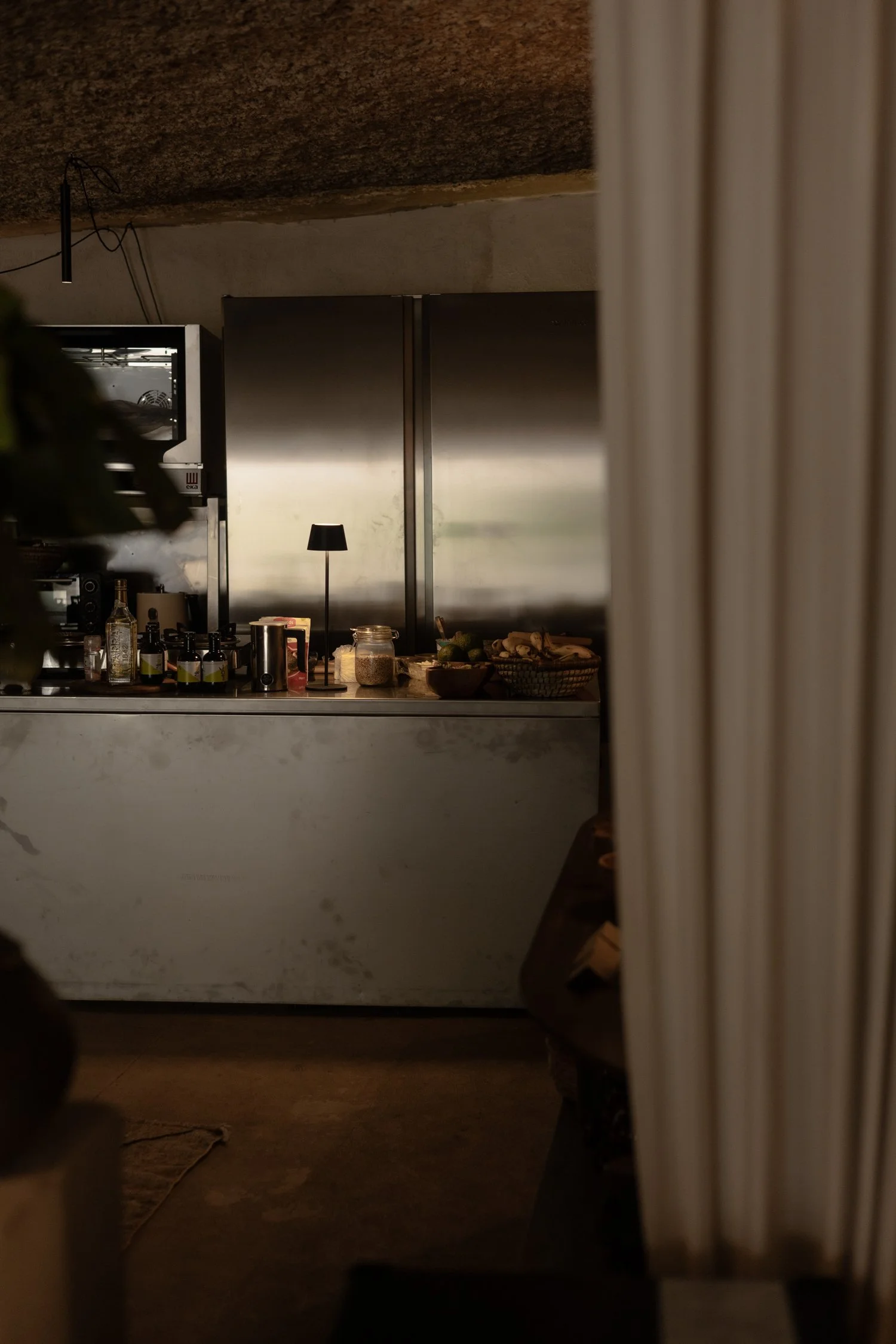
Anthony Picq: We describe it as nutritional gastronomy. The idea is to keep food as close as possible to its natural form, with simple preparation and attention to combinations.
Meals are part of a wider rhythm. Depending on the guest, that can include yoga, breathwork, massage or fasting. There is no fixed programme applied to everyone. It adapts.
How did you develop the knowledge behind the project?
Anthony Picq: It comes from years of study in medicine and naturopathy, but also from personal experience and testing different approaches over time.
EcoHotel El Agua was not something designed in one moment. It evolved gradually through practice and observation of what actually works for people.
What do you hope guests take away from their stay?
Anthony Picq: Everyone carries a suitcase. Some light, some heavy.
He pauses.
The more we learn to care for ourselves, the more we are able to give to others.